Why Cha-An Is One of the City’s Most Serene Dining Experiences

Updated: May 13
Inside the East Village tea haven where matcha, Japanese desserts, and hospitality come together


Tucked above the busy streets of the East Village, Cha-An offers something increasingly rare in New York City: a place to slow down. Since opening in 2004, the second-floor Japanese tea house has quietly built a devoted following for its authentic Japanese teas, delicate desserts, and deeply intentional hospitality.

For founder Tomoko Yagi, the vision for Cha-An began with a simple question: why didn’t New York have a space truly devoted to Japanese tea culture?
“Back in 2004, there were very few places in New York where Japanese tea and matcha were the main focus, accompanied by traditional Japanese sweets,” Yagi explains. “There weren’t many spaces where you could fully engage with authentic Japanese tea.” What she imagined instead was a small refuge from the rhythm of the city. “What we wanted to create was a sense of quiet amid the busy city, a teahouse-like space where, the moment you ascend the stairs, you can forget the urban hustle.”
Walking into Cha-An feels intentionally transportive. Guests climb a narrow staircase before stepping into a warm, softly lit room filled with tatami benches and washi-paper lamps.
The design is meant to evoke the feeling of entering a traditional Japanese tea house, something that was almost unheard of in New York when the café first opened.
“The tatami benches and teahouse-style interior are not just decorative, they are meant to engage all the senses with Japan,” Yagi says. “We hope that the moment guests climb the stairs, they feel, ‘Am I really in New York?’- a sense of time slowing down.”
That sense of calm is not accidental. It is rooted in the Japanese philosophy of omotenashi, the idea of wholehearted hospitality that anticipates a guest’s needs before they are spoken.
“To me, omotenashi means putting yourself in the other person’s shoes and imagining their feelings even before they are expressed in words,” Yagi says. “Service shouldn’t feel like ‘work.’ It’s about sensing each guest’s expressions and tone of voice and responding with the right level of attention.”
Tea is the soul of Cha-An. The café has become one of New York’s most respected destinations for Japanese matcha and traditional teas such as sencha. “We carefully select our teas while valuing our relationships with producers,” Yagi explains. “We pay attention to the origin, cultivation methods, and unique flavors of each tea.”
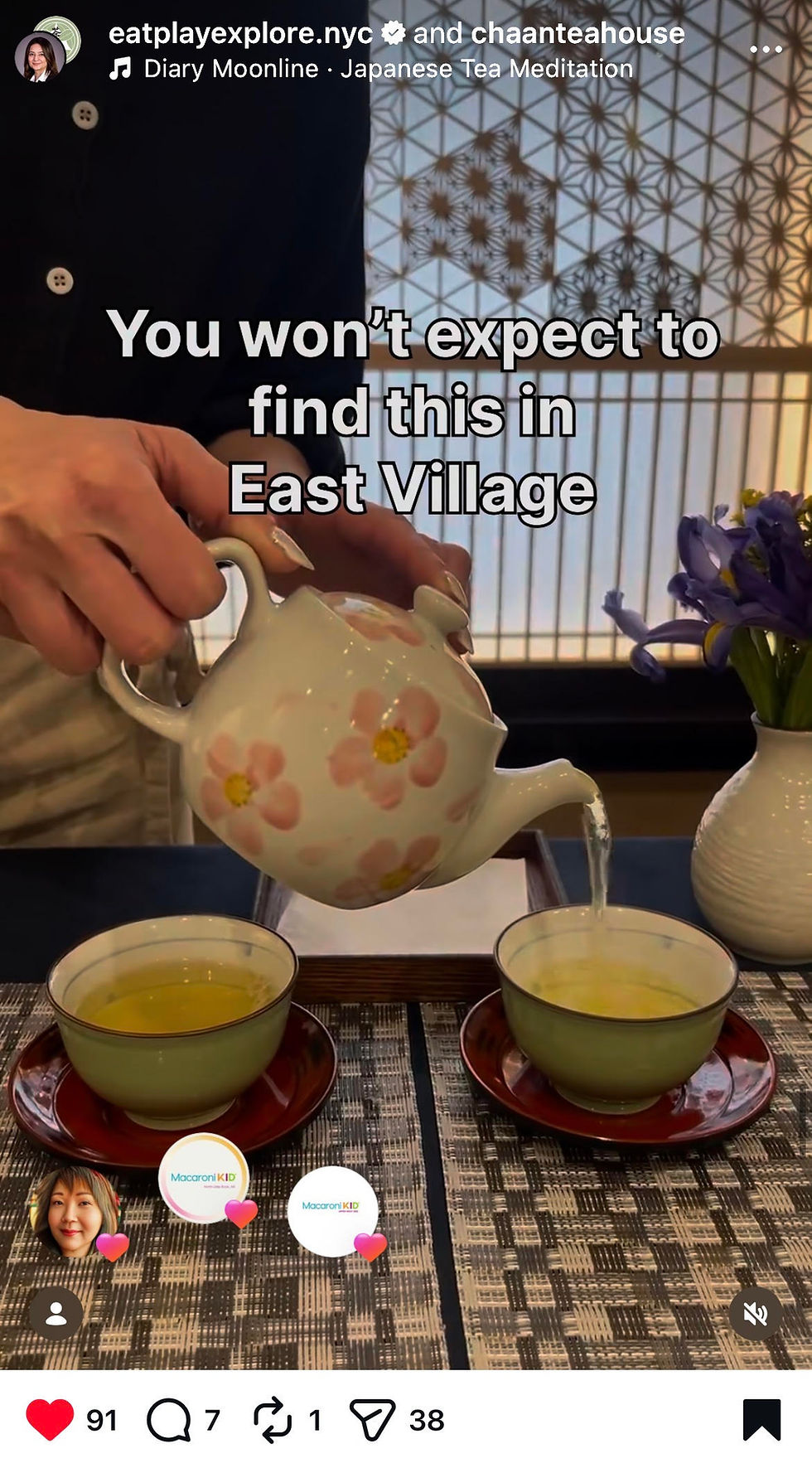
For many guests, Cha-An is their first true encounter with Japanese tea culture.
“Matcha is characterized by its delicate umami and deep richness, achieved by stone-grinding,” Yagi says. “Sencha, being steamed, has a vibrant green color and a fresh, fragrant aroma. This is quite different from the fermented teas that dominate the rest of the world.”
For newcomers, she recommends starting simple.
“For first-time guests, a high-quality sencha or a thin-matcha, usucha, is the best introduction,” she says. “Matcha especially engages sight, smell, and taste all at once. I hope guests enjoy it as an experience.”
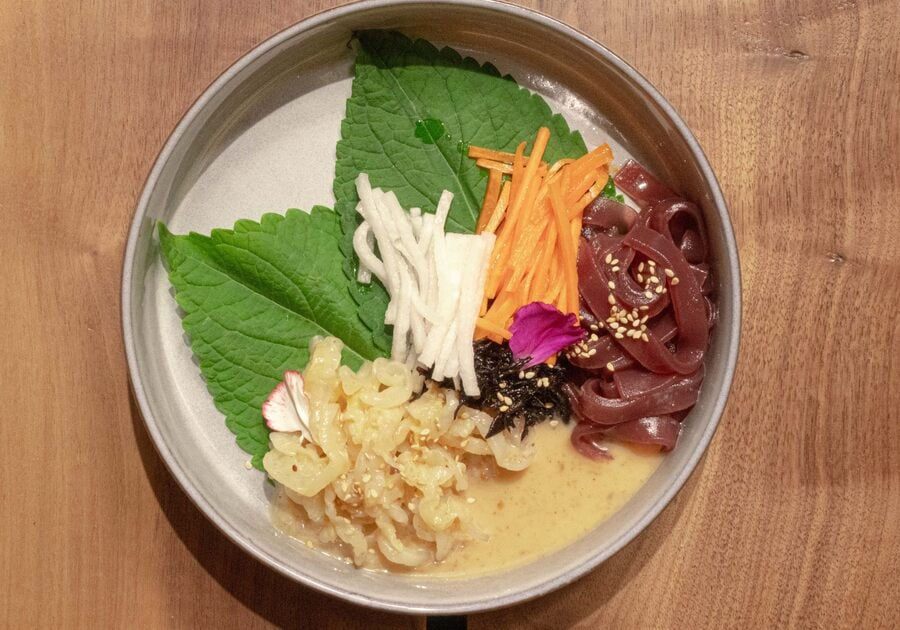
Cha-An is equally known for its Japanese desserts, which blend tradition with subtle New York creativity. The menu often features wagashi-style sweets, matcha desserts, and seasonal pastries designed to complement the teas.
“Our Japanese desserts always respect the seasons and the ingredients,” Yagi says. “At the same time, we incorporate the sensibilities and culinary culture of New York. Tradition is something to preserve, but also something to nurture.”
Among the café’s most beloved menu items are its thick-cut Japanese milk bread toasts - fluffy, lightly sweet slices topped with both sweet and savory combinations. “Japanese milk bread is fine-textured, soft, and slightly sweet,” Yagi says. “We included savory options because we wanted to offer the full Japanese café experience, enjoying light meals alongside tea.”
When Cha-An first opened, Japanese tea culture was still largely unfamiliar to many New Yorkers. Matcha, now ubiquitous across cafés and dessert shops, was still relatively niche.
“Twenty years ago, most people didn’t know or care about matcha,” Yagi says. “What has changed is our guest base, it has broadened, and Japanese tea has become more accessible.”
But despite the growing popularity of matcha in the US, the heart of Cha-An remains unchanged.
“What hasn’t changed is our attitude of putting our heart into every cup of tea,” Yagi says. “That has been the same since our first day.”
In a city defined by speed, Cha-An offers the opposite: a gentle pause. Yagi believes that kind of space may be more important today than ever before.
“Today, both information and pace of life are accelerating,” she says. “That’s why having a space to consciously slow down is even more important.” Even a short tea break can create that shift. “The few minutes spent brewing tea, smelling its aroma, and enjoying Japanese sweets can truly help calm the mind.”
For Yagi, the most meaningful part of running Cha-An isn’t just the food or tea, it’s the feeling people carry with them after they leave.
“I hope guests leave not just remembering the taste, but also feeling, ‘I felt soothed at Cha-An. I could savor this precious time,’” she says. And sometimes, that memory returns unexpectedly. “If the gentle scent of matcha or soft lighting comes to mind later, and that memory inspires them to visit us again, I would be truly happy.”
For New Yorkers searching for one of the most peaceful tea experiences in the city, Cha-An remains exactly what it set out to be two decades ago: a quiet Japanese tea house hidden above the streets.
The bottom line: Cha-An is one of those rare places that feels like a secret even after all these years. Go for tea and dessert on a slow afternoon, it's the best hour you can spend above the East Village.